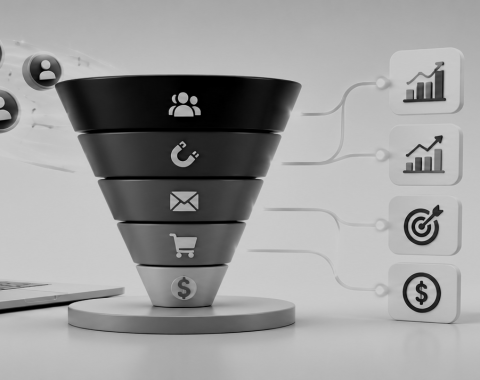

What Does Digitizing Real Estate Sales Mean?
Digitizing real estate sales refers to transforming traditional, manual processes into structured, technology-driven systems.
Instead of relying on scattered data, manual follow-ups, and offline interactions, real estate companies can manage listings, leads, communication, and performance through centralized digital platforms.
This includes everything from how properties are displayed online to how inquiries are captured, tracked, and converted into deals.
At its core, digitization is about creating visibility, consistency, and control across the entire sales process.
The Modern Buyer Journey
The way people search for property has fundamentally changed. Today’s buyers:
- Search for properties online before making contact
- Compare multiple options within minutes
- Expect quick, often instant responses
This shift means that the first interaction between a buyer and a real estate company usually happens digitally, not physically. If a company lacks a strong online presence or fails to respond quickly, potential buyers are likely to move on to competitors. As a result, digital readiness is no longer an advantage. It is a baseline requirement.
Key Components of Digital Sales Systems
A fully digitized real estate sales process is built on several core components that work together to streamline operations and improve conversions.
Property Listing Platforms
These platforms provide structured and searchable property data, allowing buyers to explore listings easily. Well-organized listings improve user experience and increase inquiry rates.
CRM Systems
Customer Relationship Management systems track leads, interactions, and deal stages. They ensure that no inquiry is lost and that follow-ups happen consistently.
Automation
Automation enables instant responses to inquiries and scheduled follow-ups. This significantly improves response time and keeps potential buyers engaged.
Analytics
Data tracking tools provide insights into listing performance, buyer behavior, and sales outcomes. This allows companies to continuously refine their strategy.
Together, these systems create a cohesive and efficient sales environment.
Traditional vs Digital Sales
The difference between traditional and digitized real estate operations is significant.
Traditional approach:
- Manual lead tracking
- Missed or delayed follow-ups
- Limited visibility into pipeline
- Dependence on individual agents
Digital approach:
- Centralized systems
- Real-time lead tracking
- Structured and predictable workflows
- Consistent communication
Digitization reduces reliance on manual effort and introduces process-driven sales management.
Competitive Advantage
Real estate companies that adopt digital systems gain access to valuable data and insights.
They can:
- Identify high-intent buyers more quickly
- Improve conversion rates through timely follow-ups
- Optimize pricing based on demand patterns
- Track agent performance and productivity
In this environment, data becomes more than just information. It becomes a strategic growth driver.
Final Thoughts
Digitization is no longer optional in modern real estate markets. It is a necessary step for companies that want to remain competitive and scalable.
By implementing structured systems, real estate firms can improve efficiency, enhance customer experience, and create predictable sales processes.
Those that continue relying on traditional methods risk losing opportunities in an increasingly fast-moving, digital-first market.
FAQs
Do small agencies need digital systems?
Yes. In many cases, smaller agencies benefit the most because digital systems help them compete more effectively with larger firms.
What is the first step to digitization?
The most practical starting point is implementing a CRM system along with a structured property listing platform.
Looking to Digitize Your Real Estate Sales?
Premium eBusiness Solutions helps real estate companies implement listing platforms, CRM systems, and automation tools designed to improve lead management and overall sales performance.