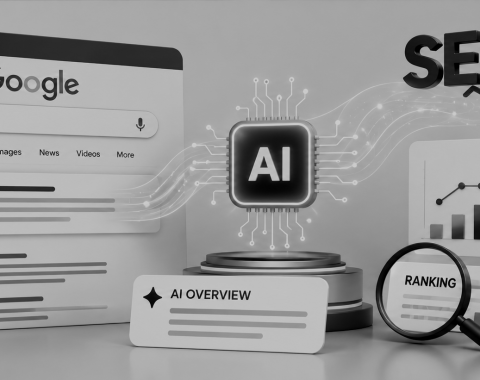

Large companies may have bigger budgets, larger teams, and stronger brand recognition, but that does not automatically guarantee digital dominance. In fact, many SMEs are outperforming larger competitors online by using smarter, more focused SEO strategies.
Search engine optimization is no longer about simply ranking for broad keywords. In 2026, SEO is increasingly driven by relevance, intent, user experience, and content quality. This shift creates a significant opportunity for smaller businesses that are agile enough to adapt quickly.
The question is no longer whether SMEs can compete online. The real question is whether they are using the right SEO approach.
Why SEO Levels the Playing Field
Traditional advertising often favors larger companies because visibility depends heavily on spending power. SEO works differently.
Search engines are designed to provide users with the most relevant and useful results, not necessarily the biggest brands. This means smaller businesses can rank competitively if they create better-targeted content and stronger user experiences.
A local consultancy, restaurant, contractor, or real estate company can outrank major competitors for highly relevant searches if their website answers user intent more effectively.
The Biggest SEO Advantage SMEs Have
Large organizations often move slowly. SMEs are typically faster, more flexible, and closer to their customers. This gives small businesses several advantages:
- Faster website updates
- More authentic content
- Better understanding of local audiences
- Ability to target niche markets
- Faster implementation of SEO changes
In many industries, relevance now matters more than scale.
Local SEO Is a Major Opportunity
One of the biggest opportunities for SMEs is local search optimization.
Users increasingly search with intent-based queries such as:
- “best restaurant near me”
- “real estate agency in Bahrain”
- “SEO company for SMEs”
- “construction company in Lahore”
Businesses that optimize for local SEO can attract highly qualified traffic without competing globally. Key local SEO factors include:
- Optimized Google Business Profile
- Location-focused keywords
- Consistent business information
- Customer reviews
- Localized website content
For many SMEs, local visibility generates more value than broad national traffic.
Content Quality Matters More Than Volume
In earlier years, SEO often focused on publishing large amounts of content. Modern search algorithms are becoming much better at identifying quality, usefulness, and expertise. Thin, repetitive, or generic AI-generated articles rarely perform well long term.
Instead, successful SEO content in 2026 tends to:
- Solve specific problems
- Address search intent clearly
- Provide unique insights
- Demonstrate expertise
- Maintain readability and structure
This creates an opportunity for SMEs with genuine industry knowledge.
Search Intent Is More Important Than Keywords Alone
Many businesses still focus only on keywords. However, modern SEO is increasingly intent-driven. For example:
A user searching “best CRM for small businesses” may be looking for:
- Comparisons
- Pricing
- Features
- Reviews
- Implementation advice
A page that simply repeats keywords without addressing these expectations is unlikely to rank effectively. Strong SEO content aligns with what users actually want to know.
Technical SEO Still Matters
Content alone is not enough. Website performance directly affects rankings and user behavior. Important technical factors include:
- Mobile responsiveness
- Fast loading speed
- Secure HTTPS infrastructure
- Structured headings
- Internal linking
- Optimized metadata
A slow or poorly structured website can reduce both rankings and conversions.
Why SMEs Should Focus on Topical Authority
One high-performing article is useful. A connected ecosystem of relevant content is far more powerful. Search engines increasingly reward websites that demonstrate depth within a subject area.
For example, a business offering digital services could build authority around topics such as:
- SEO for SMEs
- Website optimization
- Local SEO
- Content marketing
- Conversion-focused websites
This interconnected structure strengthens credibility and ranking potential.
SEO Is a Long-Term Asset
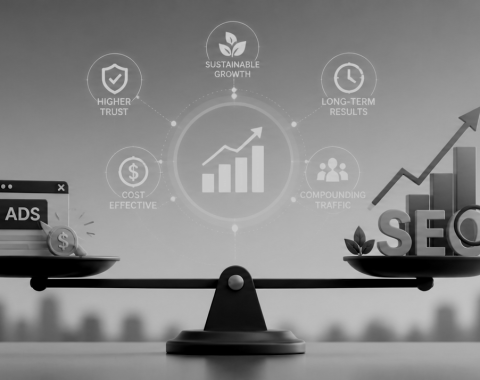
Unlike paid advertising, SEO compounds over time. A well-optimized page can continue generating traffic and leads for months or even years after publication. Over time, this reduces customer acquisition cost and builds stronger digital stability.
Businesses relying only on ads remain dependent on continuous spending. Businesses investing in SEO gradually build owned visibility.
Final Thoughts
SEO is one of the few areas where SMEs can realistically compete with larger brands without matching their budgets.
The businesses succeeding in 2026 are not necessarily producing the most content or spending the most money. They are creating the most relevant, structured, and useful digital experiences.
For SMEs, effective SEO is no longer optional. It is one of the most powerful long-term growth strategies available.
FAQs
Can small businesses really outrank large companies?
Yes. SMEs often outperform larger brands in niche, local, and intent-driven searches through better relevance and content quality.
How long does SEO take to work?
SEO usually takes several months to show strong results, but it creates long-term value and sustainable traffic growth.
Looking to Improve Your SEO Strategy?
Premium eBusiness Solutions helps SMEs implement SEO strategies focused on visibility, content authority, technical performance, and long-term organic growth.