
Many businesses assume that simply having a website is enough. In reality, a poorly performing website can quietly damage credibility, reduce conversions, and drive potential customers toward competitors without the business owner even realizing it.
In 2026, customers judge businesses digitally before they engage with them directly. A website is no longer just an online brochure. It is often the first impression, first interaction, and first decision point in the customer journey.
The problem is that many SMEs continue operating with websites that were built years ago, never optimized properly, or designed without conversion strategy in mind.
If your website is underperforming, the cost is usually invisible. Lost inquiries, abandoned visits, and missed opportunities rarely announce themselves. They simply disappear.
Here are seven common signs your website may already be costing you customers.
1. Your Website Loads Slowly
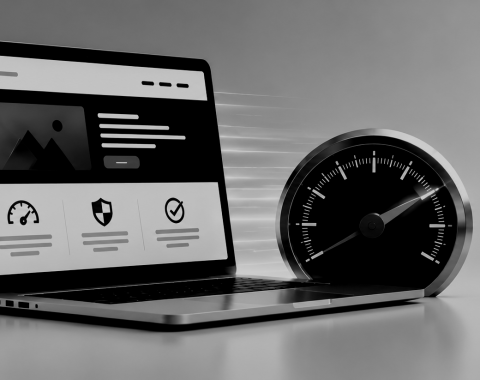
Website speed directly affects user behavior. Modern users expect pages to load almost instantly, especially on mobile devices. If your website feels slow, visitors often leave before even exploring your services.
Slow websites also negatively affect:
- SEO rankings
- user engagement
- ad performance
- trust perception
In many cases, businesses spend money driving traffic to websites that users abandon within seconds due to poor performance.
2. It Does Not Work Well on Mobile
Mobile traffic now dominates across most industries. Yet many SME websites still provide poor mobile experiences with:
- broken layouts
- difficult navigation
- tiny text
- slow-loading elements
A website that works on desktop but frustrates mobile users is effectively losing a large percentage of potential customers.
Mobile optimization is no longer optional. It is basic digital infrastructure.
3. Your Messaging Is Too Generic
Many business websites say things like:
- “We provide quality services”
- “Customer satisfaction is our priority”
- “We deliver innovative solutions”
These statements are too broad and fail to differentiate the business.
Visitors should immediately understand:
- what the business does
- who it helps
- why it is different
Clear positioning improves both trust and conversions.
4. Visitors Do Not Know What to Do Next
A common issue with SME websites is the lack of clear calls to action.
Users should never have to guess:
- how to contact you
- where to request a quote
- how to book a consultation
- how to proceed further
Strong websites guide visitors naturally through the next step.
Without direction, many users simply leave.
5. The Website Looks Outdated
Design strongly influences trust perception.
An outdated website often creates assumptions that the business itself may also be outdated, inactive, or less reliable.
Modern customers subconsciously evaluate:
- visual quality
- branding consistency
- structure
- usability
- professionalism
A weak digital presence can damage credibility even if the actual business is highly capable.
6. Your Website Generates Traffic but Few Leads
Traffic alone does not guarantee growth.
Many businesses focus heavily on attracting visitors while ignoring conversion optimization. A website should not just receive traffic. It should convert users into:
- inquiries
- calls
- bookings
- customers
Low conversion rates often indicate deeper issues related to trust, clarity, usability, or user experience.
7. Your Competitors Feel More Trustworthy Online
In many industries, customers compare multiple businesses before making decisions.
Even if your services are stronger, competitors with:
- better websites
- clearer branding
- stronger SEO
- more professional presentation
may appear more credible online.
Digital perception increasingly shapes buying behavior.
Final Thoughts
A business website should support growth, not quietly limit it.
Many SMEs underestimate how much influence their website has on customer trust, lead generation, and overall business performance. In competitive markets, even small weaknesses in digital experience can lead to significant lost opportunities over time.
The businesses performing best online are not necessarily those spending the most money. They are the ones creating faster, clearer, and more user-focused digital experiences.
FAQs
How often should a business website be updated?
Most business websites benefit from ongoing updates and should typically be refreshed every few years to remain modern and competitive.
Can website design really affect sales?
Yes. Website speed, usability, structure, and trust signals directly influence user behavior and conversion rates.
Looking to Improve Your Website Performance?
Premium eBusiness Solutions helps SMEs build high-converting websites focused on performance, SEO, branding, and lead generation.